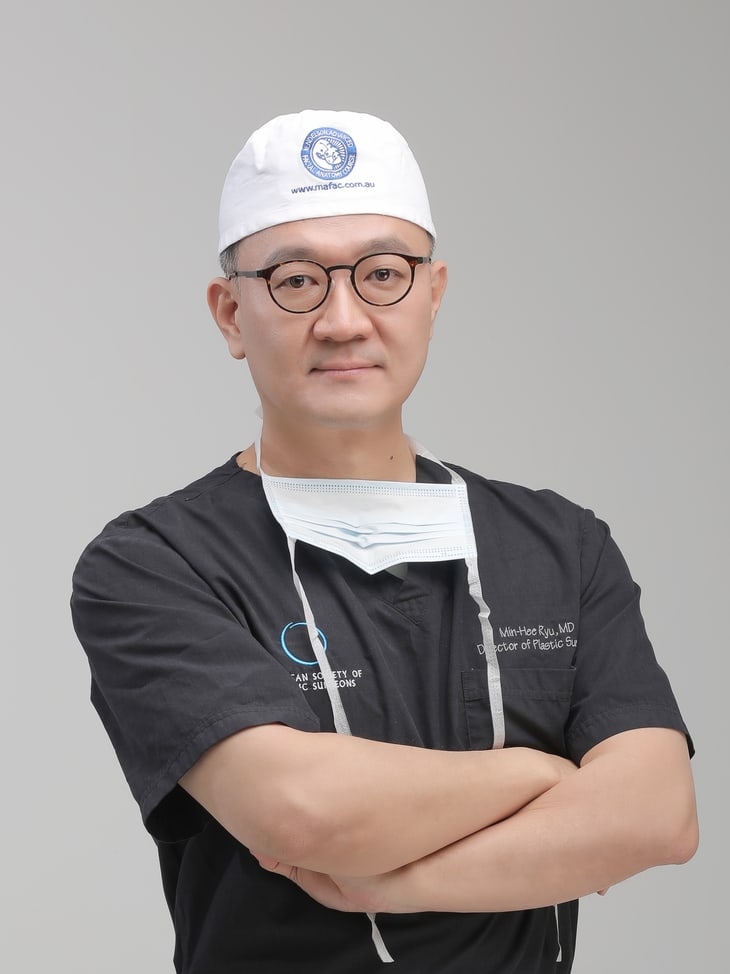
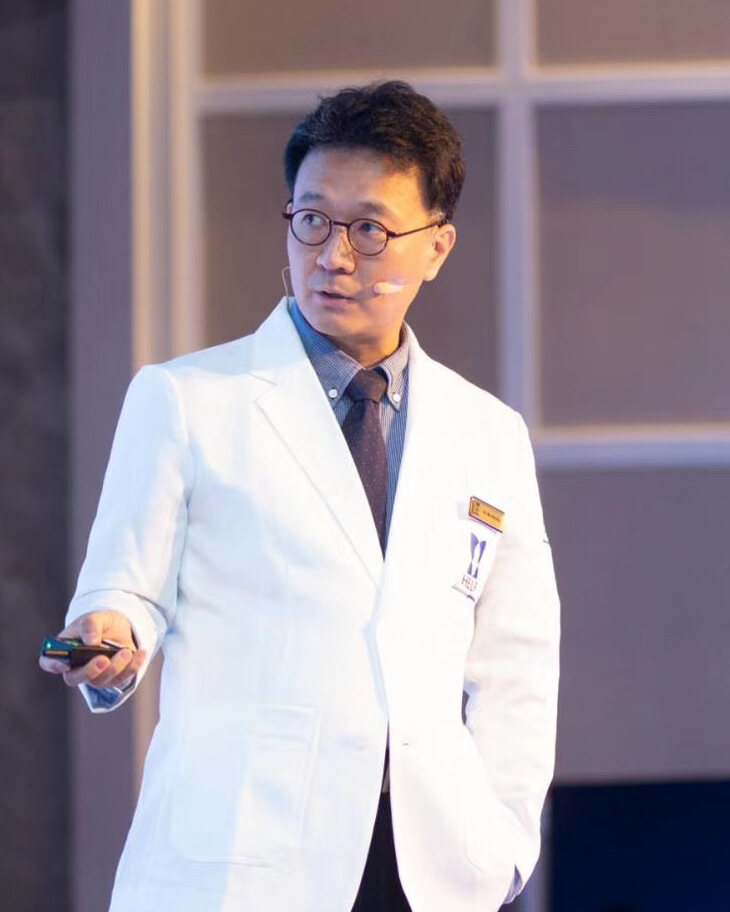
Dr. Min-Hee Ryu, Medical Director and Founder of RNWOOD Plastic Surgery

Medical Director & Founder

Dr. Min-Hee Ryu

Dr. Ryu is a Leading Authority in the DEEP PLANE FACELIFT and a Global Educator, recognized for his expertise in Facial Rejuvenation surgery and anatomy.

As a lecturer, tutor and demonstrator, Dr. Ryu is invited to give DEEP PLANE FACELIFT lectures and to perform live surgery and cadaver dissection demonstrations in more than 15 countries, including Korea, the US, Singapore, Australia, Japan and countries across Europe.

He is the only surgeon at RNWOOD. Only one surgery is scheduled per day, and Dr. Ryu carries out the consultation, the operation and the daily post-operative checks himself.

Dr. Ryu

Book a Consultation

Teaching Facial Anatomy

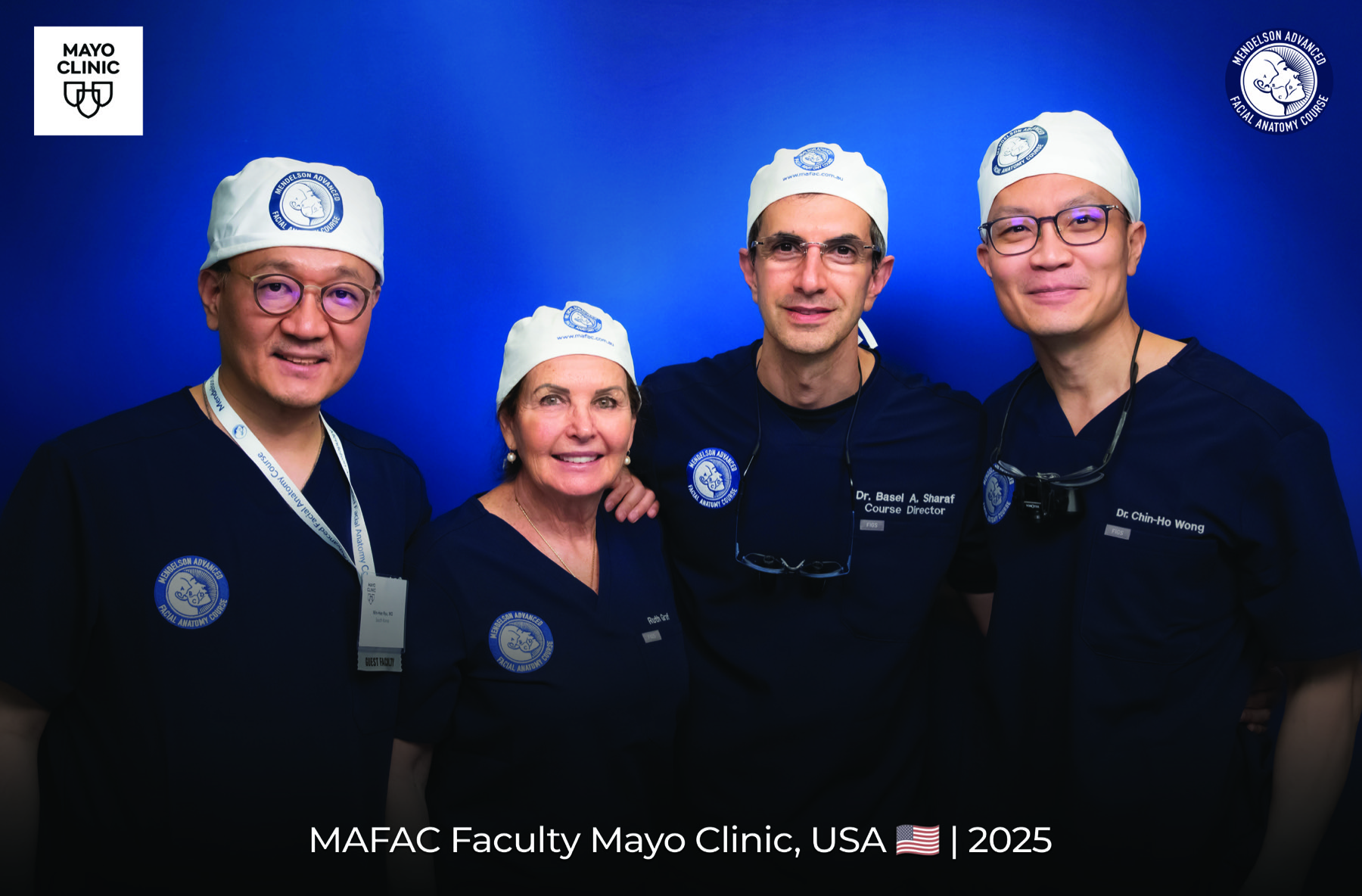
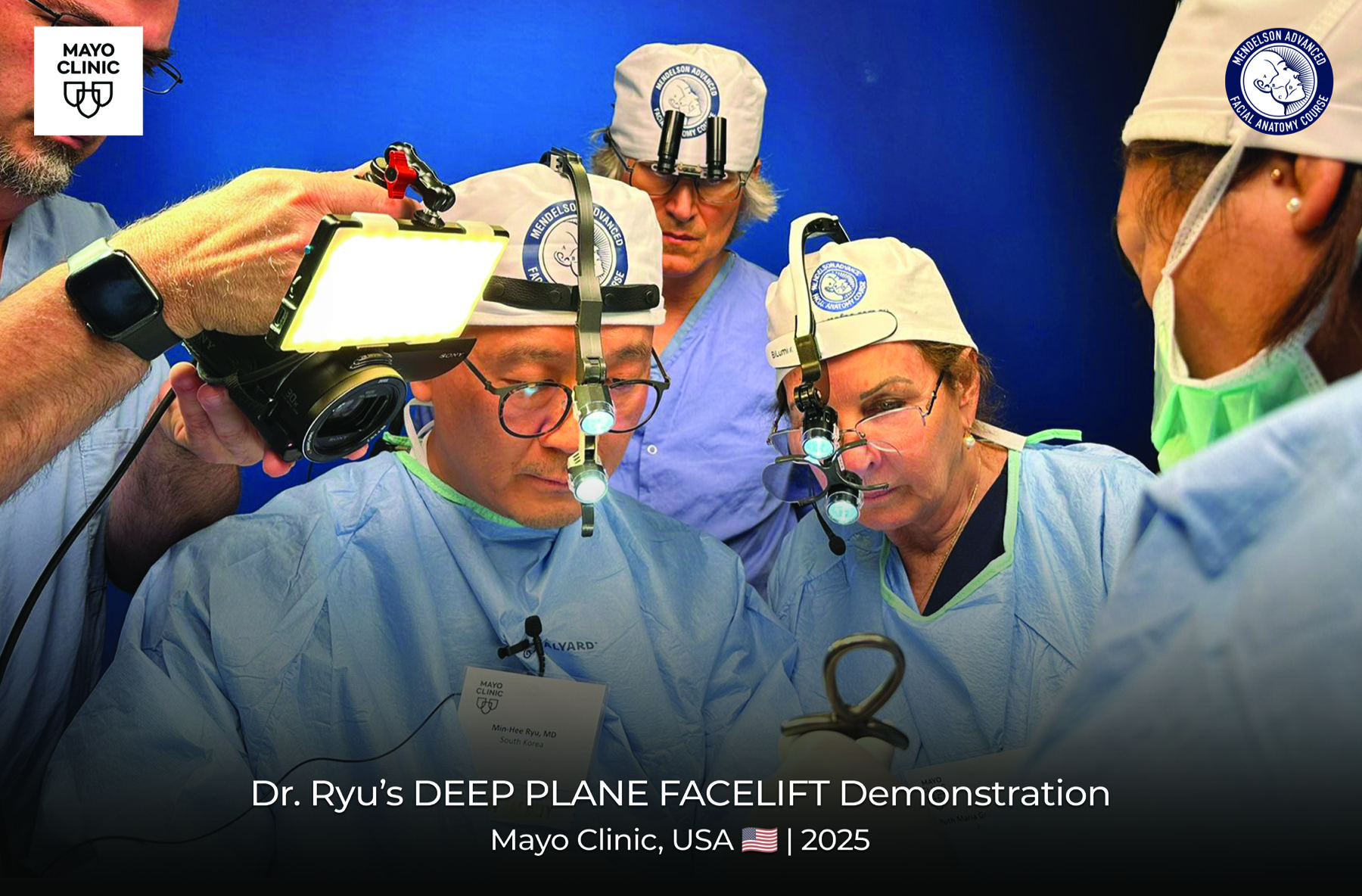
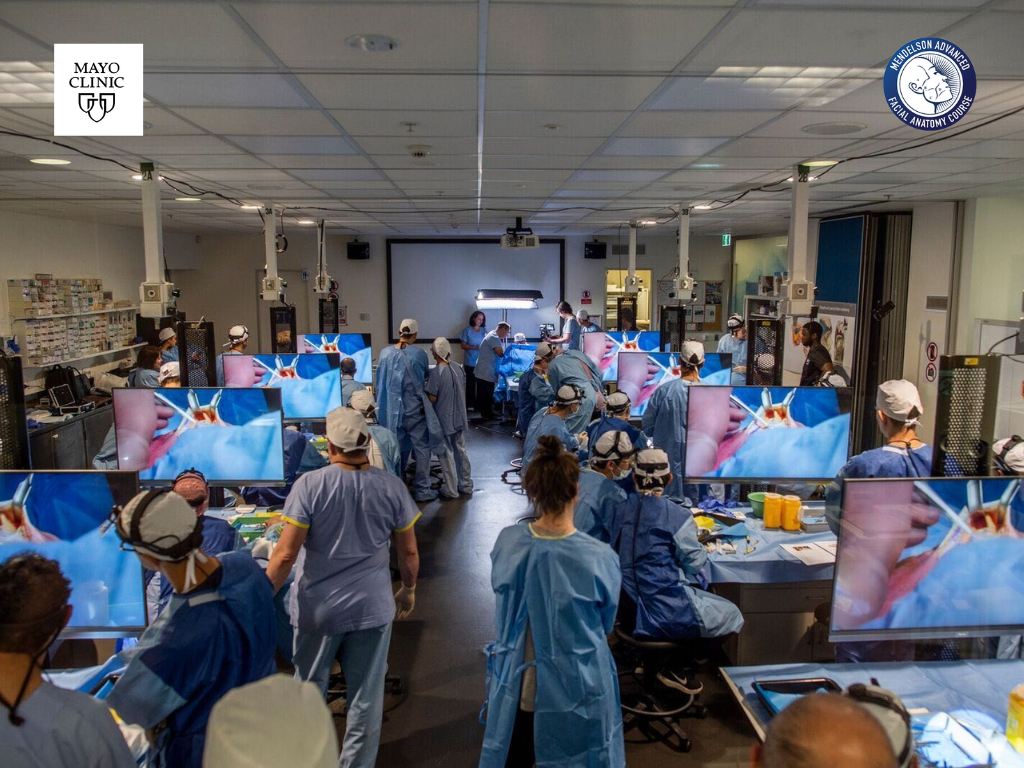
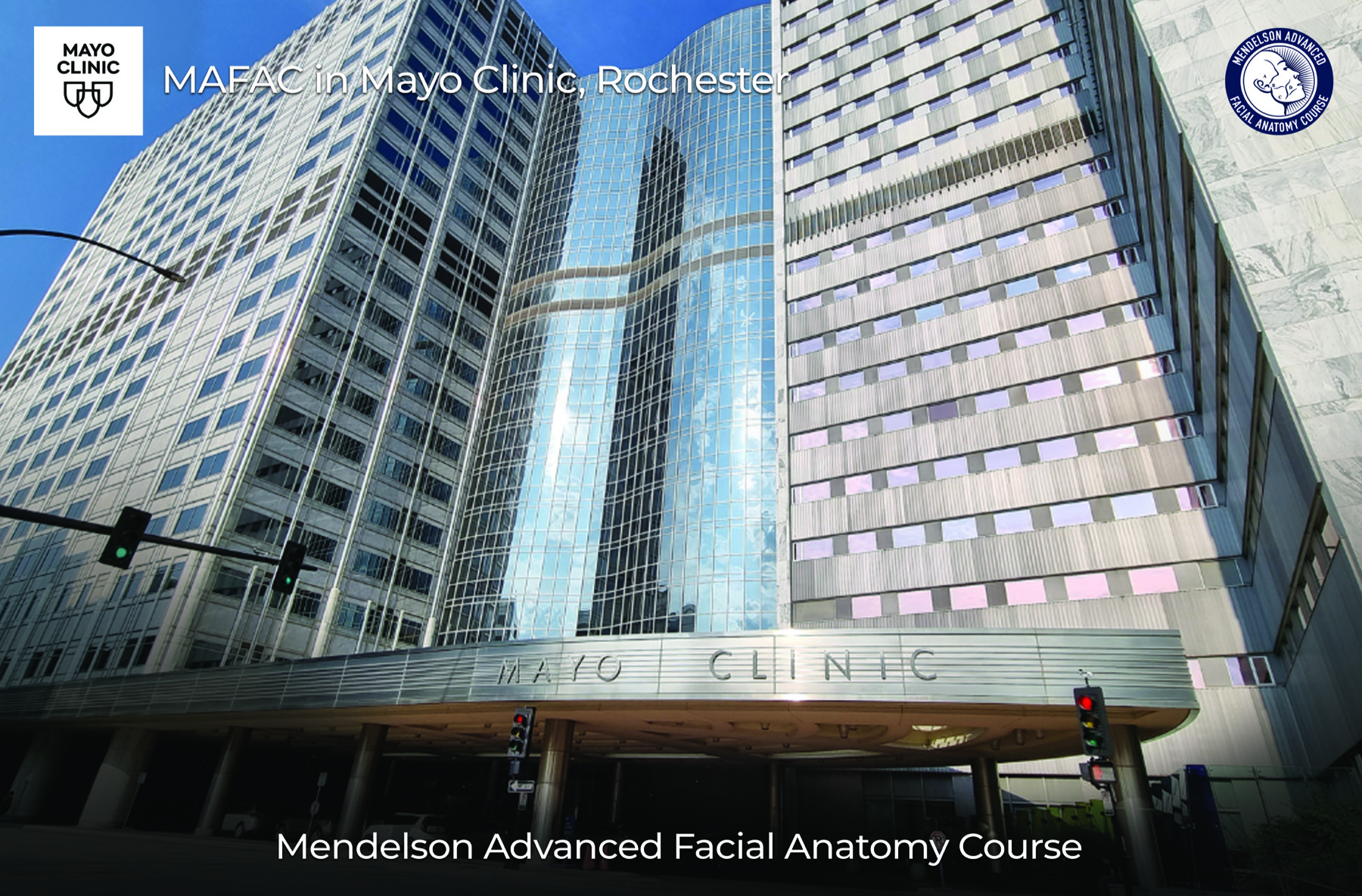
Dr. Ryu has been a Faculty Member of the Mendelson Advanced Facial Anatomy Course (MAFAC) since 2016, teaching deep-plane dissection in hands-on cadaver workshops. Since 2023 he has taken part as guest faculty in the Mendelson Deep Plane Facelift and Mayo Clinic Aesthetic Facial Contouring Hands-on Surgical Skills course held at Mayo Clinic, Rochester.

He serves on the Editorial Board of Aesthetic Plastic Surgery Journal (SCI) and on the Educational Council of ISAPS. He is an active member of KSPRS, ASPS, ASAPS and ISAPS.

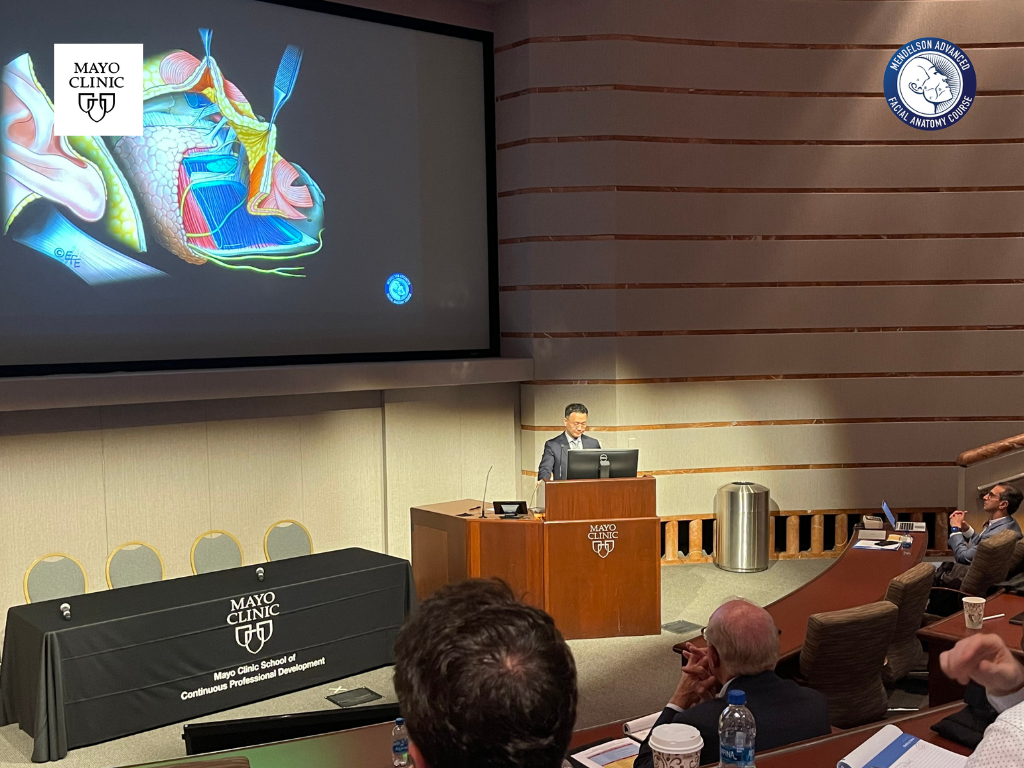
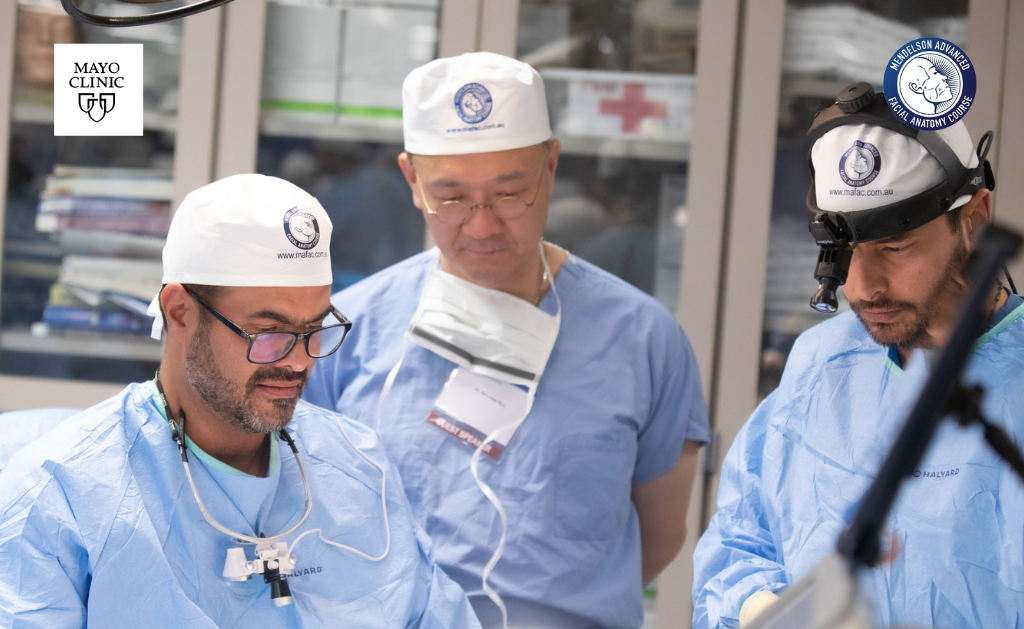
Dr. Min-Hee Ryu lecturing at Mayo Clinic, Rochester
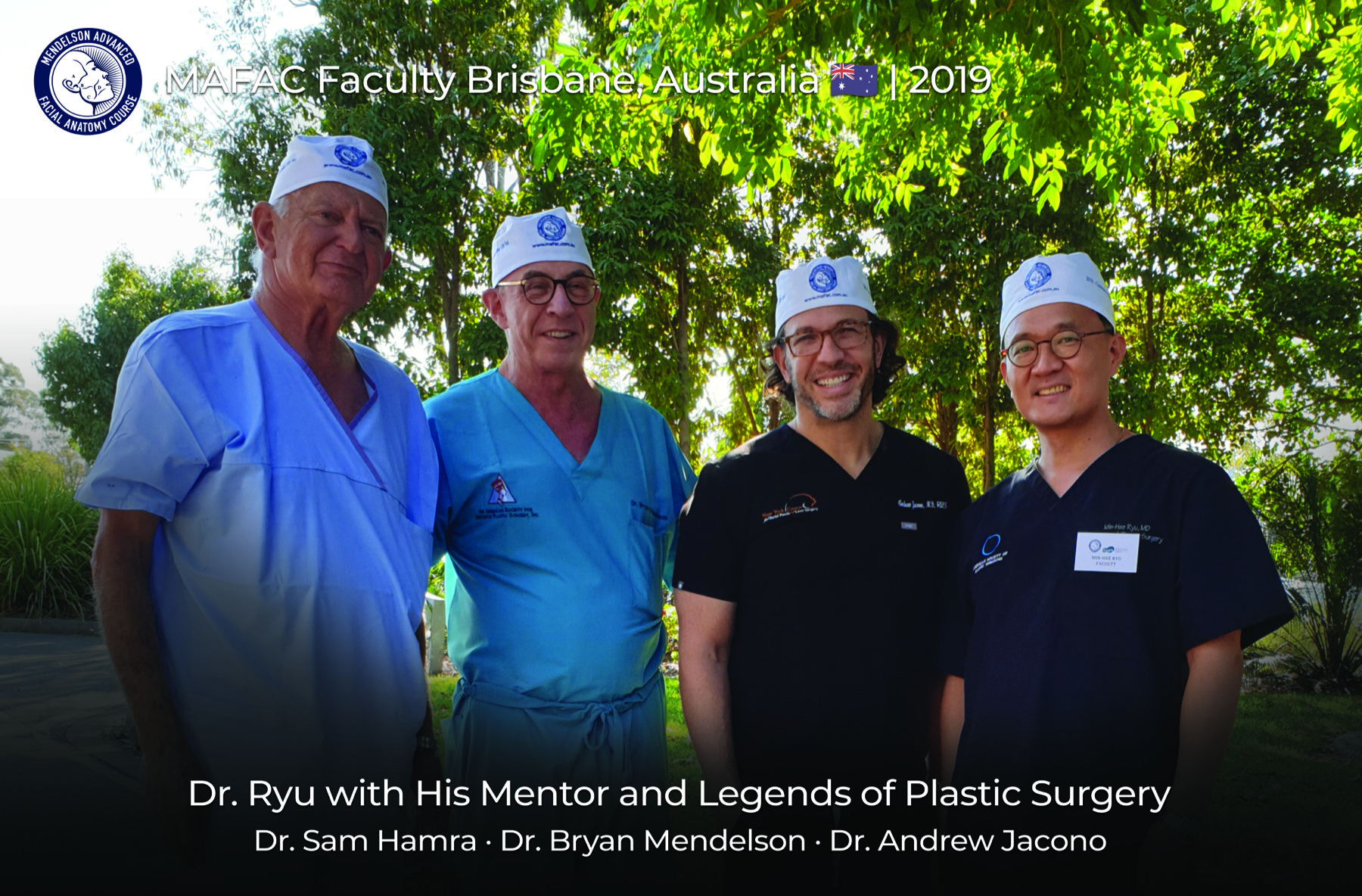
Dr. Ryu with his mentor and legends of plastic surgery: Dr. Sam Hamra, Dr. Bryan Mendelson and Dr. Andrew Jacono, MAFAC Faculty, Brisbane, Australia, 2019

Lecturing Abroad Since 2005

Dr. Ryu began presenting at Plastic Surgery congresses in 2005. Since then his lectures, panels, chaired sessions, live surgery demonstrations and cadaver workshops have covered facelift, High SMAS facelift, DEEP PLANE FACELIFT, facial surgical anatomy and Facial Rejuvenation.

The roles he has been invited to take are Invited Lecturer, Oral Presenter, Panel Speaker, Faculty, Cadaver Workshop Faculty, Live Surgery Demonstrator and Instructional Course Lecturer.

See the Full Lecture Record

Key Concepts of Dr. Ryu’s DEEP PLANE FACELIFT

Five ideas shape how the operation is planned and carried out.

01

Releasing the Retaining Ligaments

Releasing key facial retaining ligaments, including the zygomatic and masseteric retaining ligaments, allows the deeper facial tissues to move freely and be repositioned. By releasing these structures, the Deep Plane Facelift is not dependent on simply pulling the skin, but also addresses the underlying tissues to be restored in a more natural position.

02

High SMAS

Dr. Ryu incorporates a High SMAS approach to achieve more comprehensive control of the midface and lower face. By working at a higher level of the SMAS layer, the technique allows elevation and repositioning of tissues that contribute to midface descent, cheek flattening, and lower-face laxity.

This helps create a more continuous transition between the cheek, nasolabial region, jawline, and neck, rather than treating each area as an isolated component. The goal is to restore the deeper facial architecture while maintaining natural facial movement and expression.

03

Composite / Preservation Concept

The composite concept focuses on preserving and repositioning the patient’s existing facial tissues rather than unnecessarily removing them. Skin, SMAS, fat compartments, and deeper soft tissues are treated as interconnected structures, allowing volume and contour to be restored while maintaining the natural relationships between the layers.

Preservation also applies to the skin itself. By minimizing unnecessary undermining and excessive manipulation of the skin, the technique aims to reduce skin trauma and preserve its blood supply. Less disruption to the skin can contribute to less tissue stress, more efficient healing, and a smoother recovery, while allowing the deeper tissues to provide the primary support for the rejuvenated appearance.

04

Extended Deep Plane

For Dr. Ryu, the importance of the extended approach is not simply a release of retaining ligaments in the midface region. The Extended Deep Plane Facelift entails an additional release of the cervical retaining ligament. This can provide more effective correction of midface descent, lower-face laxity, and jawline while maintaining a natural transition across the face.

05

Repositioning of the Buccal Fat

Rather than routinely removing buccal fat, Dr. Ryu may mobilize and reposition the buccal fat into areas of volume deficiency, particularly hollow or flattened areas of the midface. This preserves the patient’s natural facial volume while using existing tissue to restore youthful contour and support. The goal is to avoid unnecessary fat removal and the overly hollow appearance that can result from excessive volume loss.

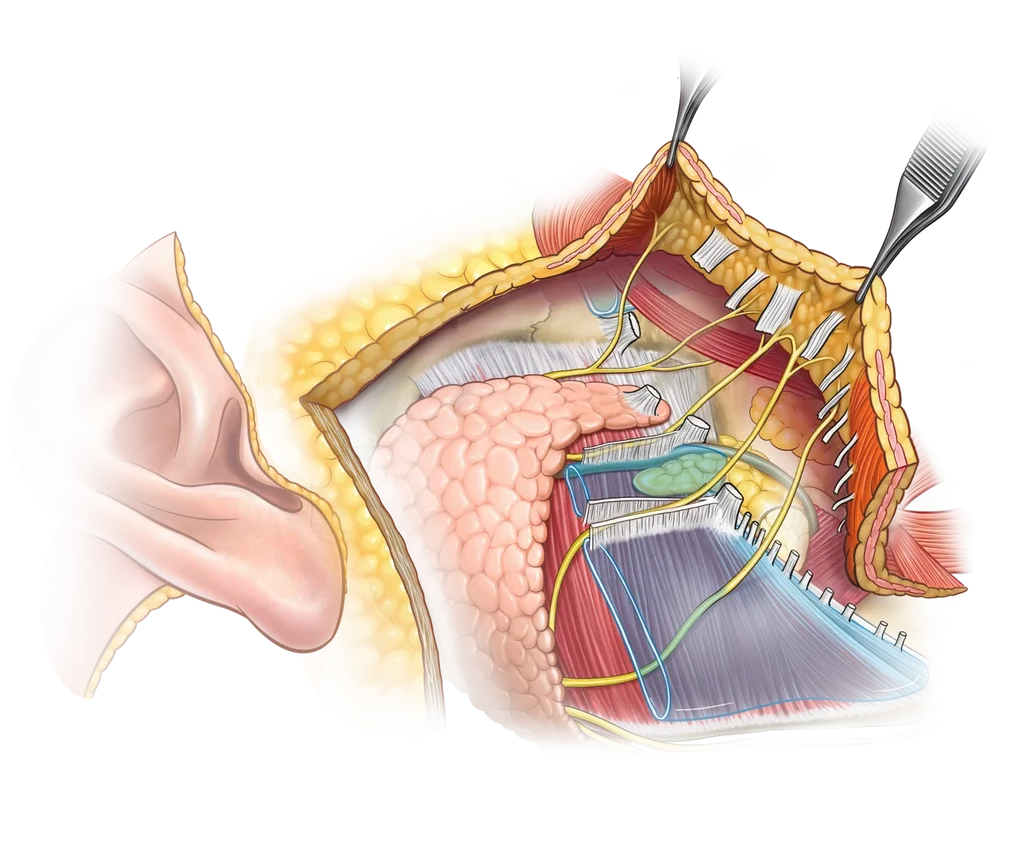
DEEP PLANE FACELIFT surgical illustration

Primary Areas of Expertise

RNWOOD is a Facial Rejuvenation practice.

  • DEEP PLANE FACELIFT
  • Necklift
  • Upper/Lower Blepharoplasty
  • Endoscopic Forehead Lift
  • Fat Grafting
  • Revision Facelift Surgery

One Surgery Per Day

RNWOOD takes only one surgery per day. There is no second operating list and no second surgeon; every stage of the day belongs to one patient.

During the seven to ten days you stay in Korea, post-operative treatment and review are provided daily — hyperbaric oxygen therapy, Healite LED therapy, and a personal evaluation by Dr. Ryu.

Waiting area at RNWOOD Plastic Surgery
Dr. Min-Hee Ryu at RNWOOD Plastic Surgery

What Surgery Cannot Promise

Surgical planning starts from symptoms. No symptoms, no surgery. If an operation is not the right answer for what you are describing, Dr. Ryu will say so at the consultation.

A facelift repositions tissue that has descended. It cannot stop aging or guarantee a specific appearance, symmetry, or result duration.

No result, scar quality, symmetry, duration, complication-free recovery, or freedom from revision surgery can be guaranteed. Every surgical procedure carries the possibility of side effects and complications, and individual outcomes and recovery vary.

Dr. Min-Hee Ryu, Medical Director and Founder of RNWOOD Plastic Surgery

Dr. Min-Hee Ryu
Medical Director and Founder of RNWOOD

Qualification

  • Board-certified plastic surgeon, Republic of Korea, 2008Specialist certificate no. 1496
  • Medical license, Ministry of Health and Welfare, 2003Medical license no. 80903

Current Academic Appointments & Society Memberships

  • Faculty, Mendelson Advanced Facial Anatomy Course (MAFAC)2016 – present
  • Guest Faculty, Mayo Clinic, Rochester2023 – present
  • Editorial Board Member, Aesthetic Plastic Surgery Journal (SCI)2019 – present
  • Member, International Society of Aesthetic Plastic Surgery (ISAPS)2012 – present
  • Member, Educational Council, ISAPS2024 – present
  • Member, Academic Committee, The Korean Society of Plastic and Reconstructive Surgeons (KSPRS)2019 – present
  • International Active Member, The American Society of Plastic Surgeons (ASPS)
  • International Active Member, The American Society for Aesthetic Plastic Surgery (ASAPS)

Past Academic Appointments

  • Secretary, Scientific Programs Committee, The Korean Association of Plastic Surgeons2012 – 2013
  • Director, Academic Affairs Committee, The Korean Association of Antiaging Surgery2013 – 2014
  • Member, International Affairs Committee, The Korean Society for Aesthetic Plastic Surgery (KSAPS)2018 – 2020
  • Member, International Affairs Committee, KSPRS2018 – 2020
  • Member, Future Committee, KSPRS2020 – 2022

Peer-Reviewed Publications

Seven papers on facelift anatomy and technique, and two invited discussions.

  1. Surgical Correction of Crow’s Feet Deformity with Radiofrequency CurrentAesthetic Surgery Journal, 2014
  2. Considerations of Facelift Methods and Facial Retaining Ligaments in AsianArchives of Aesthetic Plastic Surgery, 2014
  3. High Superficial Musculoaponeurotic System Facelift with Finger-Assisted Facial Spaces Dissection for Asian PatientsAesthetic Surgery Journal, 2015
  4. Anatomical Variation of Zygomatic Nerve Branches around Zygomaticus Major Muscle in FaceliftPlastic and Reconstructive Surgery – Global Open, 2017
  5. The Inclusion of Orbicularis Oculi Muscle in the SMAS Flap in Asian FaceliftAesthetic Plastic Surgery, 2018
  6. Reframing the Etiology of Facial Sagging from a Facelift PerspectivePlastic and Reconstructive Surgery – Global Open, 2018
  7. Preserving Orbicularis Branches of the Zygomatic Nerve with the Orbicularis Oculi Muscle–SMAS Flap Complex in Facelift SurgeryPlastic and Reconstructive Surgery – Global Open, 2018
  8. Invited Discussion on: Can Procerus Transection Alter the Radix Morphology and Influence the Nasal Length? A Study of Photogrammetric Assessments and Anthropometric Measurements on Asian PatientsAesthetic Plastic Surgery, 2022
  9. Invited Discussion on: A Randomized, Controlled Study Comparing Subbrow Blepharoplasty and Subbrow Blepharoplasty Combined with Periorbital Muscle Manipulation for Periorbital Aging Rejuvenation in AsiansAesthetic Plastic Surgery, 2020

Lectures and Invited Faculty

Congress presentations, panels, chaired sessions, live surgery demonstrations and cadaver workshops, 2005 to 2026.

2026

Open the full record (2005–2026)

2022

  • 73Neck Lift and Submentoplasty (Panel). Shengjing Surgical Annual Meeting, November 14-20, 2022, Shenyang, China
  • 72The 2022 Mendelson Advanced Facial Anatomy Course (MAFAC) (Faculty), 12 to 14 Oct 2022, The Royal Australasian College of Surgeons (RACS), Melbourne, Australia
  • 71Asian Facelift and Surgical Anatomy (Panel). The inaugural meeting and the first academic seminar of the Plastic and Aesthetic Anatomy Branch of the Chinese Anatomical Society. The second International Cloud Conference of Precision and Digital Medicine Branch of Chinese Association of Plastic Surgery, July 1-3, 2022, Guangzhou, China
  • 70Asian Facelift and Surgical Anatomy (Panel). ZHONGNANSHAN Aesthetic Meeting, June 19, 2022, Virtual Event, China
  • 69Facelift Methods and Surgical Anatomy (For Managing Soft Tissue Drooping after Facial Bone Contouring Surgery) (Panel). PAPRAS 9th National Meeting, March 26, 2022, Manila, Philippines

2021

  • 68Asian Facelift and Surgical Anatomy (Panel). ISAPS F.A.S.T. III Module, Aesthetic Facial Surgery and Rhinoplasty. Advanced Level, November 27, 2021, ISAPS FAST RUSSIA Virtual Event
  • 67Surgical Correction of Crow’s Feet Deformity Using Orbicularis Oculi Muscle Coagulation (Panel). ISAPS World 2021, March 27-28, 2021, ISAPS Virtual Event

2019

2018

2017

2015

  • 33High SMAS Facelift with Release of Retaining Ligaments in Sub-SMAS Plane for Asian (Invited Lecture), 5th Chang Gung Aesthetic Conference, October 2–4, 2015, Taoyuan, Taiwan
  • 32High SMAS Facelift with Release of Retaining Ligaments in Sub-SMAS Plane for Asian (Invited Lecture), 123rd Meeting of Japanese Society of Aesthetic Plastic Surgery, 11th July, 2015, Tokyo, Japan
  • 31High SMAS Facelift with Release of Retaining Ligaments for Asian (Invited Lecture), 2015 Workshop of SSAM (Shanghai Society of Aesthetic Medicine), 17th May 2015, Shanghai Medical Association, Shanghai, China
  • 30Hybrid Facial Rejuvenation: The Simultaneous Combination of Lifting, Filling and Skin Resurfacing (Panel), The 3rd Gender Aesthetic Congress Asia 2015, 8-10th May, 2015, Suntec Convention Centre, Singapore
  • 29(3 Topics) Facelift Methods, Asian Facelift using High SMAS technique with Release of Retaining Ligaments in Sub-SMAS Plane, Hybrid Facial Rejuvenation: The Simultaneous Combination of Lifting, Filling and Skin Resurfacing (Panel), The 6th ICTEC Aesthetic Update : Pursuing Facial Beauty by Collaborative Approaches: Invasive and Non-Invasive Techniques April 25 2015, ICTEC, Jakarta, Indonesia
  • 28High SMAS Facelift with Release of Retaining Ligaments for Asian (Panel), 2015 7th Sino-Esthemed, April 17 – 19, 2015, Beijing, China

2014

  • 27History and Cutting Edge in Facelift (Instructional Course Lecture), 2014 KSPRS International (72nd Congress of The Korean Society of Plastic and Reconstructive Surgeons), November 7–9, 2014 The K Seoul Hotel, Seoul, Korea
  • 26Modified High SMAS Facelift for Asian (Oral Presentation). ISAPS(International Society of Aesthetic Plastic Surgery) 22nd CONGRESS - September 19-22, 2014 Rio de Janeiro, Brazil
  • 25Facelift procedures & Hybrid Facial Rejuvenation (Panel). The 34th Scientific Congress of The Korean Medical Association, June 27 ~ 29, 2014, Coex, Seoul, Korea
  • 24Subplatysmal Procedures in Submentoplasty (Round Table). Korea Anti-aging Association of Plastic Surgery 1st Symposium, June 8, 2014, Korea University, Seoul, Korea
  • 23Differences of Facelift Methods (Panel). Korea Anti-aging Association of Plastic Surgery 1st Symposium, June 8, 2014, Korea University, Seoul, Korea
  • 22Surgical Anatomy in Facial Rejuvenation (Panel). Minimal Invasive Plastic Surgery 19th Symposium, May 18, 2014, Seoul St. Mary’s Hospital, Seoul, Korea
  • 21High SMAS Facelift (Panel). Aesthetics Plastic Surgery 2014 (32nd Congress of the Korean Society for Aesthetic Plastic Surgery and 12th Congress of the Korean Association of Plastic Surgeons). April 26 - 27, 2014, Coex, Seoul, Korea
  • 20Hybrid Facial Rejuvenation Surgery (Panel). 2014 6th Sino-Esthemed, April 11 – 13, 2014, Beijing, China

2013

2011

  • 13Fat Graft with Adipose-derived Stem Cells for Breast Augmentation (Panel). 6th Symposium of the Korean Association for Plastic Surgery Fat Research Council in 2011
  • 12Rejuvenation Surgery in Plastic Surgery. Anti-Aging Expo 2011, Coex, Seoul

2010

  • 11Fat Graft with Adipose-derived Stem Cells for Breast Augmentation (Panel). 2010 Autumn Meeting of the Korean Society of Plastic and Reconstructive Surgeons

2008

  • 10Treatment of Intractable Epidural Abscess after Cranioplasty using the Tensor Fascia Lata Graft and Anterolateral Thigh Free Flap. 2008 Autumn Meeting of the Korean Society of Plastic and Reconstructive Surgeons

2007

  • 9The Effects of Adipose Tissue - derived Stem Cells on the Regeneration of Major Organ Systems. 2007 Autumn Meeting of the Korean Society of Plastic and Reconstructive Surgeons
  • 8A Clinical Study of Nasal Bone Fracture According to Stranc Classification. 2007 Spring Meeting of the Korean Society of Plastic and Reconstructive Surgeons

2006

  • 7Treatment of Frey's Syndrome Patients with Botulinum Toxin A. 2006 Autumn Meeting of the Korean Society of Plastic and Reconstructive Surgeons
  • 6Breast Reconstruction with DIEP Free Flap. The Young-Honam Regional Society of the Korean Society of Plastic and Reconstructive Surgeons in 2006
  • 5The Classification and Treatment of Blow out Fracture. 2006 Spring Meeting of the Korean Society of Plastic and Reconstructive Surgeons
  • 4In vivo Tracking of Adipose Tissue - derived Stem Cell : An Experimental Study in Rats. 2006 Spring Meeting of the Korean Society of Plastic and Reconstructive Surgeons

2005

  • 3Partial necrosis after breast reconstruction with DIEP free flap. 2005 Autumn Meeting of the Korean Society of Plastic and Reconstructive Surgeons
  • 2Breast Reconstruction with DIEP Free Flap. The 24th Meeting of the Korean Society for Microsurgery in 2005
  • 1Use of Vacuum Assisted Closure Device with Silver Dressing Materials in the Management of Chronic Infected Wounds. 2005 Spring Meeting of the Korean Society of Plastic and Reconstructive Surgeons

Questions About Dr. Ryu

Qualifications, teaching and academic work, and how a consultation and the days after surgery are handled.

Is Dr. Ryu a board-certified plastic surgeon?
Yes. Dr. Min-Hee Ryu is a board-certified plastic surgeon in the Republic of Korea, certified in 2008, specialist certificate no. 1496. His medical license, no. 80903, was registered with the Ministry of Health and Welfare in 2003.
Who will perform my surgery at RNWOOD?
Dr. Ryu. He is the only surgeon at RNWOOD, and he carries out the consultation, the operation and the daily post-operative checks himself.
Why does RNWOOD take only one surgery per day?
RNWOOD takes only one surgery per day. There is no second operating list and no second surgeon, so every stage of that day belongs to one patient, from the consultation through the operation to the post-operative review.
Which societies is Dr. Ryu a member of, and what positions does he hold?
He is an Active Member of The Korean Society of Plastic and Reconstructive Surgeons (KSPRS) and of the International Society of Aesthetic Plastic Surgery (ISAPS), which he joined in 2012, and an International Active Member of The American Society of Plastic Surgeons (ASPS) and The American Society for Aesthetic Plastic Surgery (ASAPS). He currently serves on the Educational Council of ISAPS, 2024 to present, and on the Academic Committee of KSPRS, 2019 to present.
Does Dr. Ryu teach other surgeons?
Yes. He has been a Faculty Member of the Mendelson Advanced Facial Anatomy Course (MAFAC) since 2016, teaching deep-plane dissection in hands-on cadaver workshops. Since 2023 he has taken part as guest faculty in the Mendelson Deep Plane Facelift and Mayo Clinic Aesthetic Facial Contouring Hands-on Surgical Skills course held at Mayo Clinic, Rochester.
Is Dr. Ryu involved in academic publishing?
He has served on the Editorial Board of Aesthetic Plastic Surgery Journal (SCI) since 2019, and he has published seven peer-reviewed papers on facelift anatomy and technique between 2014 and 2018, as well as two invited discussions in Aesthetic Plastic Surgery (2020 and 2022). The full list, with journal names and years, is set out in the Peer-Reviewed Publications section of this page.
How long has Dr. Ryu been lecturing internationally, and where?
He began presenting at Plastic Surgery congresses in 2005. Since then he has lectured in more than 15 countries, including Korea, the United States, Australia, Brazil, Singapore, Japan, China, Taiwan, Indonesia, the Philippines, the Netherlands, Malaysia, Germany, Egypt, Saudi Arabia and Mongolia, on facelift, High SMAS facelift, DEEP PLANE FACELIFT, facial surgical anatomy and Facial Rejuvenation.
What roles does Dr. Ryu take at congresses and cadaver workshops?
Depending on the meeting or teaching program, he has been invited as Invited Lecturer, Oral Presenter, Panel Speaker, Faculty, Cadaver Workshop Faculty, Live Surgery Demonstrator and Instructional Course Lecturer. The record year by year from 2005 can be opened in the Lectures and Invited Faculty section of this page.
Does Dr. Ryu ever advise against surgery?
Yes. Where sagging is limited and skin elasticity is still sufficient, he does not recommend a DEEP PLANE FACELIFT. He assesses the actual degree of soft-tissue descent, the facial structure, previous operations and procedures, and the area the patient wants changed, rather than age on its own. Where the change a patient hopes for is not something a facelift can address, or where the burden of surgery would outweigh what it can achieve, he says so at the consultation.
What does Dr. Ryu tell patients a facelift cannot do?
A facelift repositions tissue that has descended. It cannot stop aging or guarantee a specific appearance, symmetry, or result duration. No result, scar quality, symmetry, duration, complication-free recovery, or freedom from revision surgery can be guaranteed. Every surgical procedure carries the possibility of side effects and complications, and individual outcomes and recovery vary.
Does Dr. Ryu perform revision facelift surgery?
Yes. Sagging is caused by repetitive habitual movements such as facial expression and daily activity, so it naturally recurs after 10 to 20 years; patients whose sagging returns may be eligible for a secondary facelift. Dr. Ryu explains at the consultation that a revision is harder to predict than a first operation, because adhesions and scar tissue, the state of the skin and the SMAS, and the extent of the previous dissection all affect what can safely be corrected. Where a facelift has been carried out recently he does not operate again until the tissue has recovered, generally allowing at least six months before reassessing. Individual outcomes and recovery vary.
Who gives the anesthesia during surgery?
Dr. Ryu typically performs Deep Plane Facelift surgery under IV sedation. General anesthesia is also available for patients who prefer this option. RNWOOD's in-house anesthesiologist remains present throughout the entire procedure, continuously monitoring each patient's condition. Blood pressure, heart rate and oxygen saturation are monitored throughout the operation.
What happens immediately after the operation, and who looks after me?
You rest in the recovery room for three to four hours, and most patients are discharged the same day; an overnight stay can be arranged on request. Over the following days you are seen daily — hyperbaric oxygen therapy and Healite LED therapy on days one to seven, shampoo services on days one, three and five, and stitches removed in two stages, on days five and seven. Dr. Ryu reviews you himself at those visits. A stay of seven to ten days in Korea is recommended, and recovery varies from person to person.
What should I send before a consultation with Dr. Ryu?
Send front and side photographs taken without makeup or colored lenses, together with your surgical and medical history, to consult@rnwoodseoul.com. Dr. Ryu reviews them before your visit. The email stage covers estimated pricing, the arrangements for your in-person consultation, deposit information and the general test list; final pricing follows his manual assessment in person.
What languages can I have my consultation in?
Consultations are held in person at the clinic in Gangnam, Seoul. English, Chinese, Japanese and Indonesian speaking consultants are available, and Korean is spoken in the clinic. After surgery a WhatsApp group chat is used for follow-up questions and for scheduling your next appointment.
Speak With Dr. Ryu

Send front and side photographs without makeup or colored lenses, together with your surgical and medical history, and Dr. Ryu will review them before your visit.

Email consult@rnwoodseoul.com

Consultations are held in person at the clinic in Gangnam, Seoul. English, Chinese, Japanese and Indonesian speaking consultants are available.

WhatsApp YouTube Facebook Instagram